
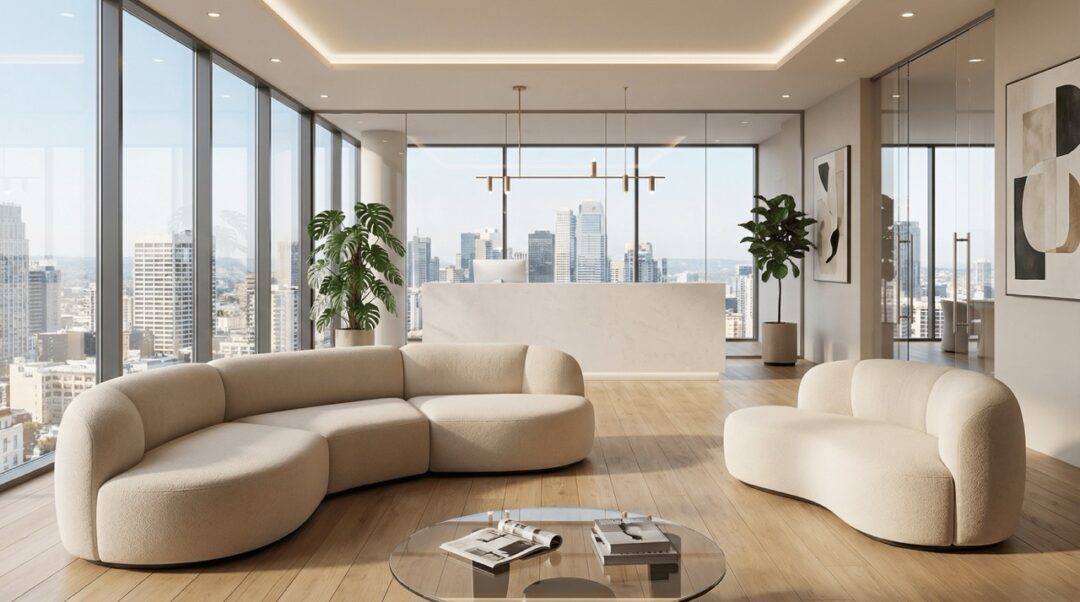
The modern office is undergoing a significant transformation. Traditional layouts dominated by rows of desks and enclosed conference rooms are increasingly giving way to more flexible, purposeful designs. Among the most impactful additions to contemporary workplaces are dedicated lounge areas—spaces that serve multiple functions while addressing genuine employee needs.
These aren’t simply “nice to have” amenities. When designed and furnished properly, lounge areas deliver tangible benefits that affect everything from daily productivity to long-term retention. For organisations looking to maximise their workplace investment, understanding what makes these spaces effective is essential.
Supporting Mental Clarity and Focus
Sustained concentration is demanding work. The human brain isn’t designed for eight consecutive hours of intense focus, yet many office environments offer limited options for mental breaks. Employees either stay at their desks (where true disengagement is difficult) or leave the building entirely.
Lounge areas provide a crucial middle ground. They’re spaces where people can genuinely step away from their primary work environment without abandoning the office altogether. The change in setting—different furniture, different sightlines, different atmosphere—helps facilitate the kind of mental reset that improves performance when employees return to their tasks.
There’s substantial research in cognitive psychology supporting the value of environmental changes and periodic breaks. Lounge spaces make these practices practical rather than theoretical.
Enabling Different Types of Work
Not every task requires a desk and computer. Strategic thinking, reading industry materials, informal planning discussions, or phone calls with clients often benefit from a different setting.
Many offices have invested heavily in workstation ergonomics while overlooking the need for spaces suited to other types of work. A senior manager reviewing quarterly strategy might think more clearly in a comfortable chair with a tablet than hunched over a keyboard. A project team might collaborate more effectively in casual lounge seating than around a formal boardroom table.
This variety matters because modern work includes diverse activities. Providing furniture and spaces that accommodate that diversity isn’t a luxury—it’s a practical response to how work actually happens.
Creating Opportunities for Informal Collaboration
Some of the most valuable workplace interactions are unplanned. When colleagues from different departments cross paths and have space to talk, problems get solved and ideas get shared in ways that structured meetings don’t always facilitate.
The key word there is “space.” A brief encounter in a corridor doesn’t lead to substantive conversation. But when there’s comfortable seating available and the environment encourages lingering for a few minutes, those chance meetings become opportunities.
Lounge areas are particularly effective at breaking down silos. In traditional office layouts, departments often remain isolated. A well-located lounge used by multiple teams creates natural intersections where knowledge transfer happens organically.
Addressing Employee Wellbeing
Physical comfort throughout the workday affects both immediate performance and long-term health. The ability to change posture, move to different spaces, and choose appropriate seating for different tasks reduces the strain that comes from static positioning.
Beyond the physical aspects, lounge areas contribute to psychological wellbeing. They signal that the organisation recognises employees as people with varying needs throughout the day. That recognition influences workplace culture in ways that extend beyond the furniture itself.
It’s worth noting that employee wellbeing isn’t separate from business performance—it directly enables it. Workplaces that support wellbeing see measurable improvements in engagement, focus, and retention.
Influencing Attraction and Retention
The competition for skilled talent remains intense across most sectors. Workplace quality has become a meaningful factor in both recruitment and retention decisions.
Candidates touring office spaces notice whether there’s thoughtful design or just utilitarian basics. Current employees compare their workplace environment to those of their peers at other companies. While lounge areas alone won’t determine someone’s employment decision, they contribute to the overall impression of an organisation that invests in its people.
The cost of replacing an employee—including recruitment, onboarding, and lost productivity during the transition—far exceeds the investment in quality workplace furniture. Retention improvements, even modest ones, generate substantial returns.
Design Considerations for Effective Lounge Spaces
Creating a lounge area that delivers these benefits requires more than allocating space and ordering furniture. Several factors determine whether the space gets used and serves its intended purposes:
Furniture selection should accommodate different preferences and uses. Lounge seating, high-backed booth configurations, individual armchairs, and standing-height tables each serve different needs. Variety ensures the space works for more people and more purposes.
Zoning helps the same area support multiple activities. Arrangement can create distinct zones—perhaps quieter areas for concentrated work or calls, and more open areas for conversation—without requiring walls or extensive construction.
Quality and durability matter in commercial settings. Furniture in shared spaces experiences heavy use. Pieces need to withstand that use while maintaining appearance and comfort. Domestic-grade furniture rarely holds up under these conditions, leading to replacement costs and spaces that look worn before their time.
Location affects usage significantly. Spaces that are too remote get ignored; spaces with too much through-traffic feel chaotic. Finding the right balance—accessible but not disruptive—determines whether people actually use the area.
Lighting, acoustics, and aesthetic considerations also influence effectiveness, though they extend beyond furniture selection itself. Natural light, sound management, and visual appeal all contribute to whether people find the space genuinely appealing.
Practical Business Value
Measuring the precise return on investment for lounge areas isn’t straightforward. Unlike capital equipment that directly produces revenue, workplace amenities influence performance through multiple indirect channels.
What organisations do report, however, is consistent: improvements in employee satisfaction metrics, better collaboration between departments, reduced turnover, and easier transitions back to office-based work in hybrid models. The office becomes a destination that offers value rather than an obligation employees try to minimise.
When viewed against the costs of turnover, recruitment, and lost productivity, the investment in quality lounge furniture and thoughtful space design represents relatively modest expenditure with meaningful returns.
The Evolving Role of Physical Workspaces
The office serves a different function than it did even five years ago. With remote work now firmly established as viable for many tasks, physical workplaces need to provide what home offices cannot. That’s primarily about collaboration, chance encounters, and environmental variety.
Lounge areas directly address these needs. They create the conditions for spontaneous interaction, provide alternative work settings that most homes lack, and contribute to a workplace culture that draws people in rather than feeling like an arbitrary requirement.
Organisations investing in their physical spaces are recognising this shift. The question isn’t whether to have lounge areas, but how to design them effectively.
Moving Forward
For companies evaluating their workplace strategy, lounge areas warrant serious consideration—not as afterthoughts if budget allows, but as integral components of an effective work environment. The benefits they provide—from supporting different work modes to enabling collaboration to improving wellbeing—justify the investment many times over.
The key is approaching these spaces with the same rigour applied to other workplace decisions. Understanding how the space will be used, who will use it, and what furniture will best support those needs ensures the investment delivers actual value rather than just checking a box.
Well-designed lounge areas contribute to workplaces where people can do their best work. That outcome benefits both employees and organisations, making it a worthwhile focus for any company serious about maximising workplace effectiveness.